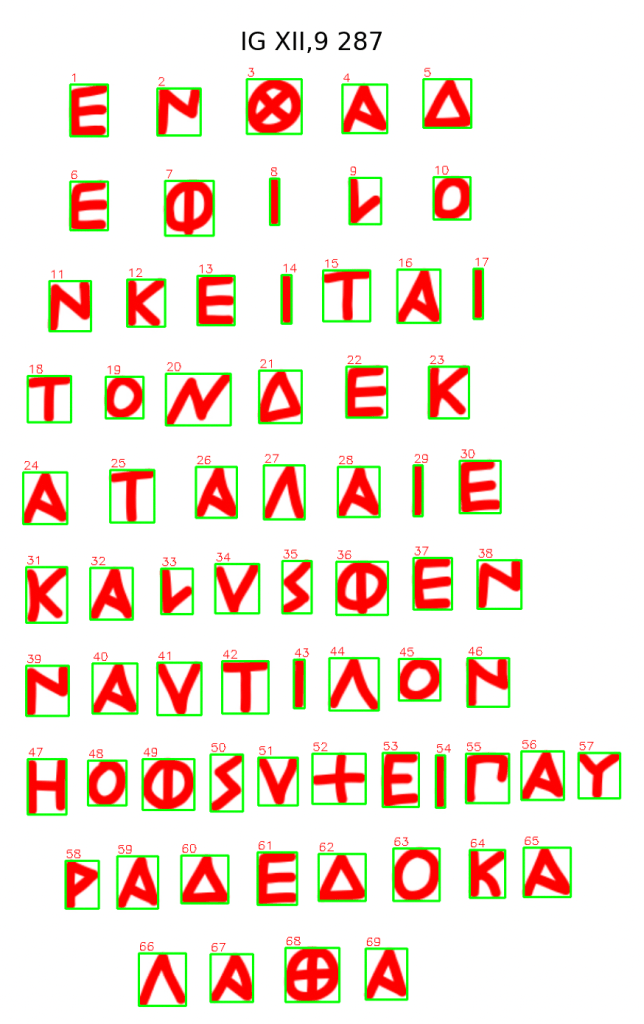
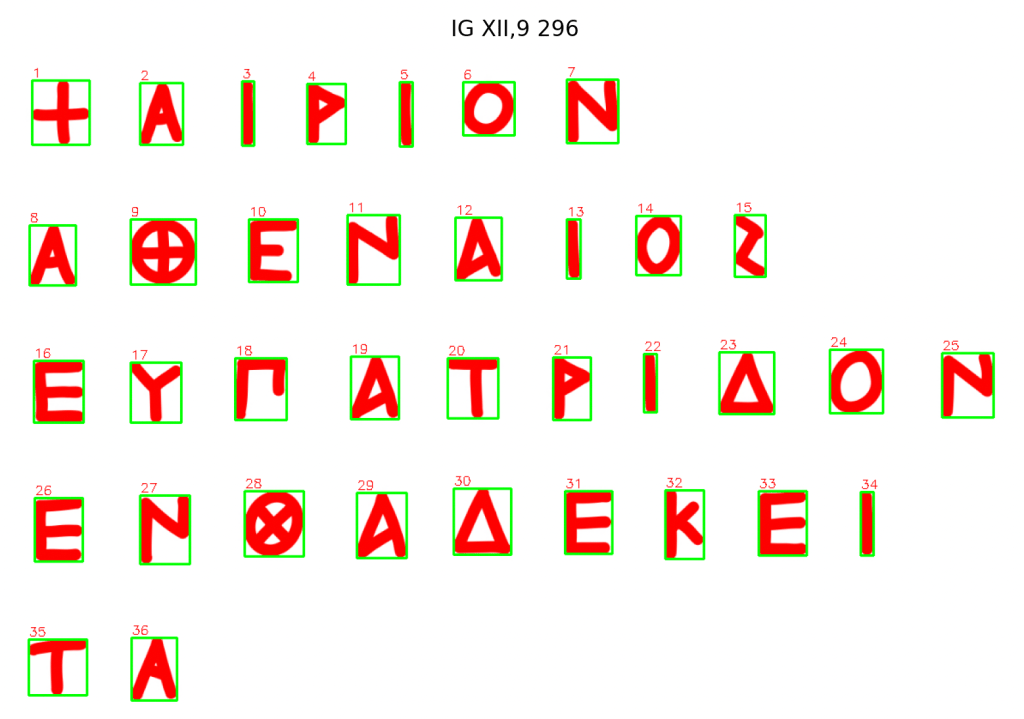
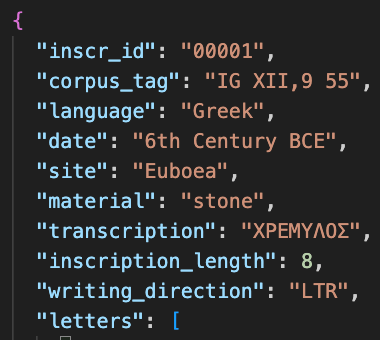
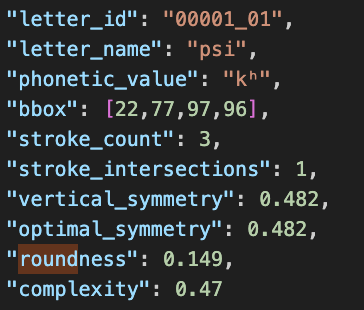
While the official tool paper is being produced, this post about APEX (Alphabetic Paleography Explorer) will serve as the public introduction to the project. APEX is a first-of-its-kind analytical engine and accompanying database designed to analyze the development and transmission of the Greek alphabet using machine learning, statistical modeling, and quantitative paleography.
But where exactly is APEX right now? And where is it headed? In this post, I’ll outline the five-stage development plan for APEX, explaining how I’ll move from an internally focused Greek dataset to a broader cross-linguistic epigraphic tool.
Stage 1: Internal Greek Analysis – Mapping Regional Patterns

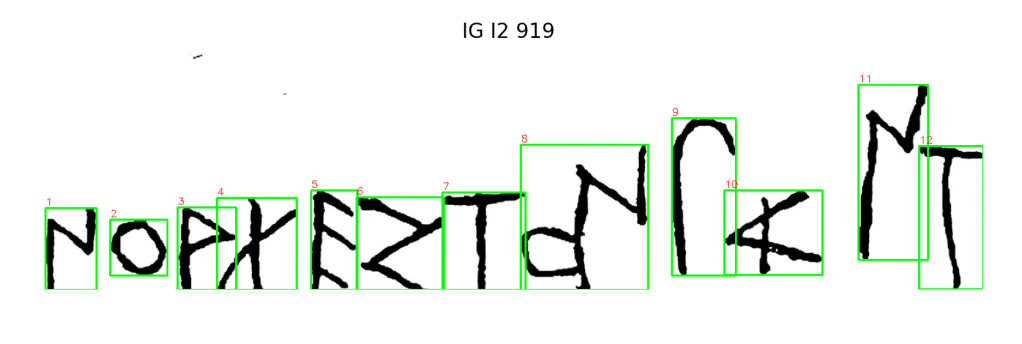
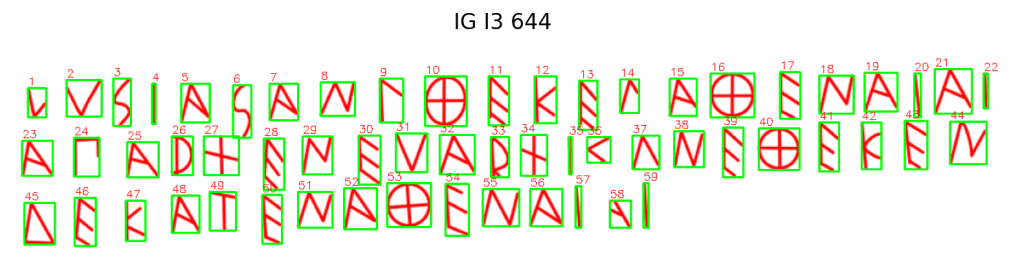
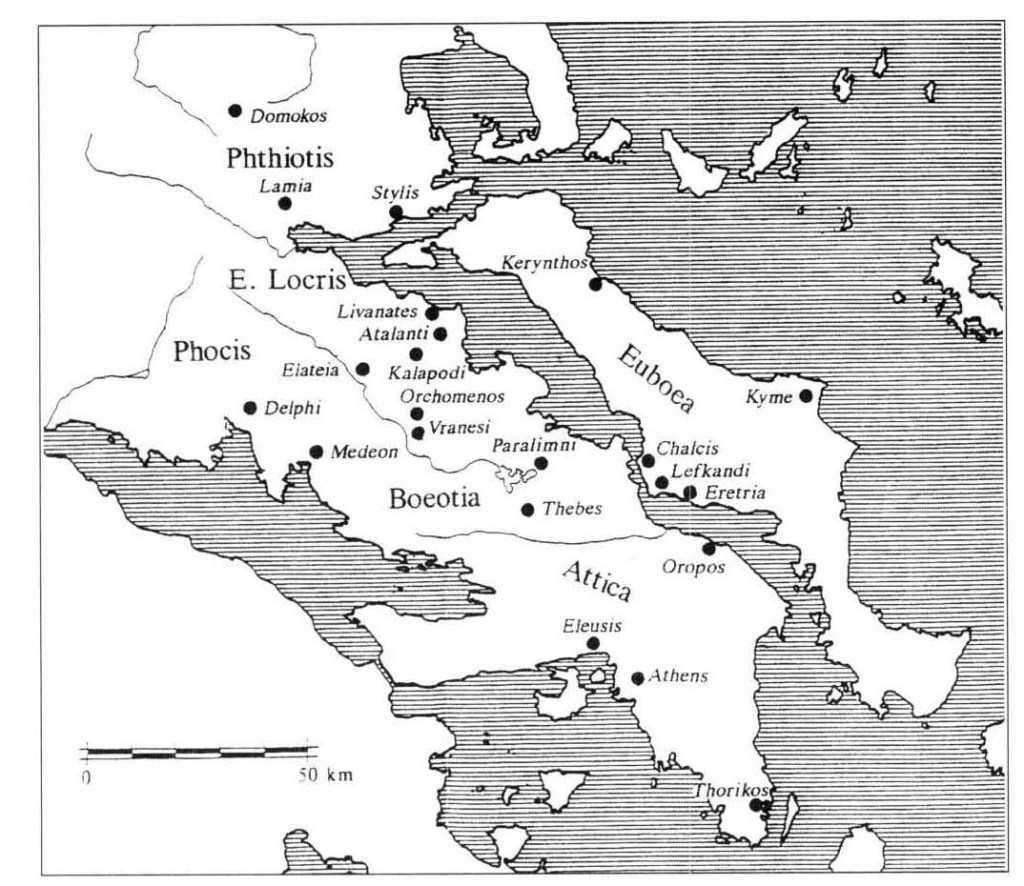
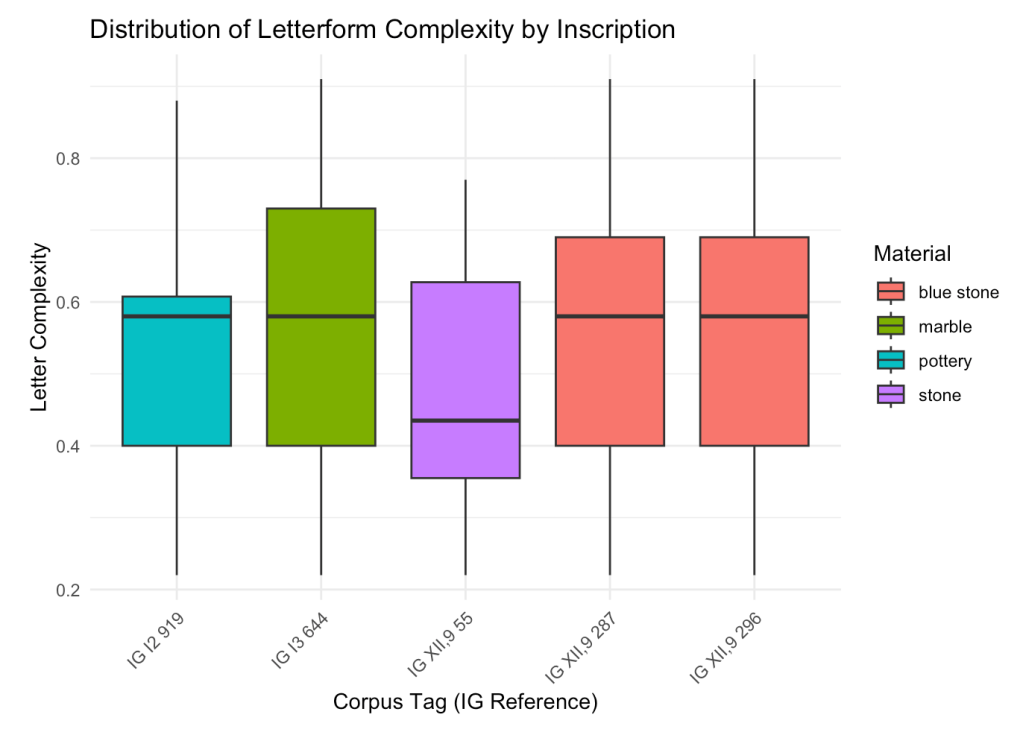
Before studying the Greek alphabet’s adaptation from Phoenician, we must quantify variation within Greek inscriptions. This stage analyzes regional epichoric scripts to track how city-states adapted letterforms. Critical regions include Euboea, Crete, Cyprus, Ionia, and Rhodes, where early inscriptions provide additional evidence.
Using statistical clustering and geometric analysis, APEX will assess regional patterns, writing materials, and conventions to determine whether Greek scripts developed independently or through coordinated transmission. This foundation will enable precise Greek-Phoenician comparisons in later stages.
Stage 2: Phoenician Integration – Modeling Direct Transmission
The next step is integrating Phoenician inscriptions to identify transmission patterns. I aim to identify which phase of Phoenician script aligns with early Greek inscriptions, determining if different Greek alphabets adopted letters at varying times, and assessing how Greek phonemic structure influenced letterform changes.
Using clustering algorithms and Principal Component Analysis (PCA), APEX will map transmission chronologically, determining whether the Greek alphabet spread through a single event or multiple independent adaptations. This will clarify not just when and where transmission occurred, but how Greek speakers modified Phoenician letters.
Stage 3: Refining Transmission Models – Alternative Pathways & Outliers
APEX’s Greek-Phoenician alignment model will be tested against alternative hypotheses to avoid oversimplified interpretations.
Research areas include investigating whether intermediary influences from Anatolia, Egypt, or Cyprus contributed to transmission, identifying Greek letterforms that do not match expected Phoenician prototypes, and assessing whether Greek city-states adopted the alphabet at different times rather than through a single event.
Anomaly detection will highlight deviations from expected transmission patterns, testing whether they resulted from dialectal differences, misinterpretations, or other factors. The result will be a refined computational model that accounts for variability in script adoption.
Stage 4: Expansion to Other Scripts – Comparative Alphabet Transmission
With a validated Greek-Phoenician transmission model, APEX will expand to other writing systems, including Aramaic, a key comparative script case; Etruscan and Coptic, which modified the Greek alphabet for non-Indo-European languages; and Iberian scripts, which followed distinct adaptation patterns.
This stage will test whether APEX’s Greek-Phoenician model can be applied to other scripts using transfer learning, revealing broader principles of alphabetic transmission. By this stage, APEX will transition from a Greek-focused project into a generalized computational tool for paleographic analysis.
Stage 5: Public Usability – An Accessible Epigraphy Tool
The final stage transforms APEX into a widely usable resource. The main developments include an interactive web interface for querying inscriptions and visualizing transmission models, AI-assisted tools for reconstructing missing letterforms, and data visualizations accessible to historians, archaeologists, and linguists. At this stage, users will be able to propose and test hypotheses, generating maps, timelines, and animations of letterform change over time.
Conclusion
APEX is a name that is both fitting and ironic. It suggests a peak, a culmination—yet this project is only at its beginning. In the study of writing systems, it is not the final word on alphabetic transmission but the first structured step towards globally quantifying it.
But here’s why the name truly fits: archaeologically, the apex of a stratigraphy is not an endpoint, but where excavation begins—the surface layer, the threshold to deeper histories. APEX is that surface we are breaking. We are just beginning to dig, uncovering the structures hidden beneath. And like any good excavation, what we uncover will challenge dearly held beliefs.
For reflections, milestones, and field notes, visit my public research journal, To Wake the Dead.

 Alphabetic Paleography Explorer